Meet Our Speakers - Glenford S. Jameson
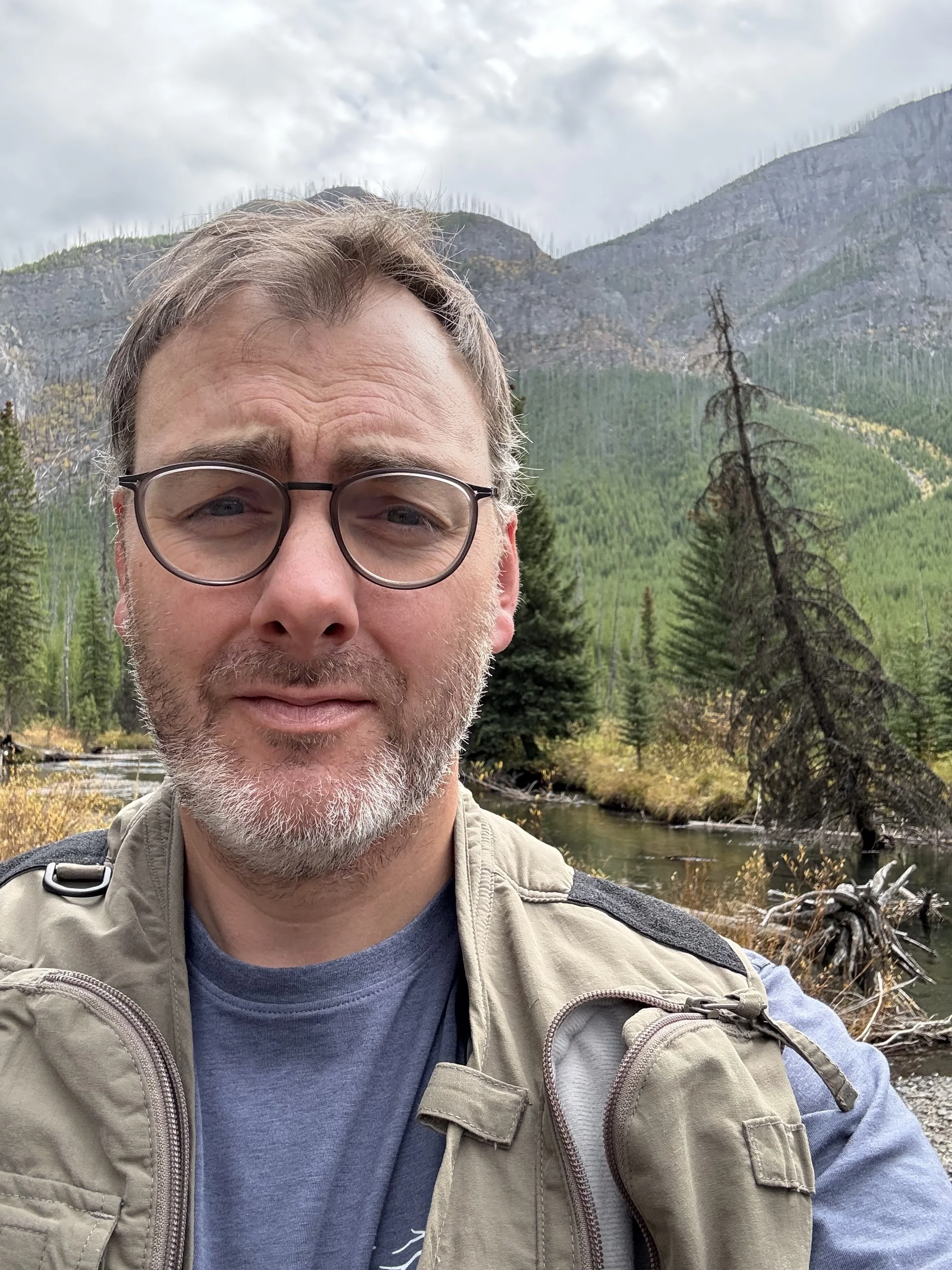
NAME: GLENFORD S. JAMESON
TITLE: LAWYER AND PRINCIPAL OF GS JAMESON & COMPANY
Interviewed by Sabrina Lai
Q: Thank you for taking the time to meet ahead of the 2026 Canadian Food Law and Policy Conference. To begin, can you tell us a bit about your work as a food law and regulatory lawyer?
In my practice, I’m doing federal work and it sits in a regulatory bucket in a classic legal sense and engages with regulators, primarily the Canadian Food Inspection Agency and secondarily, Health Canada.
Half of the work that I do is front-end work: licences and applications, novel food submissions and novelty determinations, food additive submissions, and legal advice and opinions. Within that, a lot of it is looking at labels and assessing claims, which falls into advertising and marketing.
The other half of my practice is on the back-end. It includes seizures and detentions, quasi-criminal issues, and recalls. It’s like cleaning up messes in the classic legal sense.
The question is: Is it better to ask for forgiveness or to ask permission? Typically, we do both. There's also a commercial side to what I do: it's taking that knowledge of the food sector, the regulators, insurance and everything else that swims in that ecosystem, and applying it to contracts.
That's what I do on a day-to-day basis. I'm either trying to create an opinion, figure out a position, deal with a regulator, sometimes someone from the Department of Justice or Crown, and my clients, and trying to advance their positions within a legal framework.
Q: As the co-organizer of the CAFLP’s first conference back in 2016, what motivated you, and how has your view of food law and policy evolved as we approach the 10th anniversary of the conference this year?
In 2015, I decided to start a podcast on food law to talk to different people who are engaged in this area: see what they think, what they do, and how their work relates to not only food law and regulation, but also policy.
I was chatting with Jamie Baxter, who had become a professor at Dalhousie University (which is where I went for law school) and at the time, Dean Camille Cameron decided to set aside funding for interesting projects, and Jamie applied for this conference. So, Dalhousie University became the host and the function of the first conference was like firing a beacon to the public to say: “Who's doing interesting research in this area?” and “Who's thinking about this in their practice?”. This was the first time for people to come together and say: “Hey, this is what I think food law is.” It was multidisciplinary; we had lawyers, academics, and non-governmental organizations (NGOs) or policy makers.
Now 10 years later, I think we have a clearer idea of who works in this area, what they're doing, and to what end. That's a real benefit for anyone who works in the sector, whether you're a manufacturer, an agricultural organization or a lawyer. It's so neat to now be able to pick up the phone and call someone that you wouldn't necessarily know earlier.
Q: Are there any new or emerging issues in food law that we should be more aware of?
Something that I've spent a tremendous amount of time thinking and working on in the past year has been extended producer responsibility work and packaging. Globally, either state by state in the U.S. or province by province in Canada, we've certainly created a remarkable food packaging framework that requires a lot of effort, change, and conscientious choice on the part of food system stakeholders in how they package things.
Once again, there’s this tension. For instance, the use of plastics and how that's affecting people, especially in utero. At the same time, plastics are incredibly functional for specific things and, in some ways, allowing us to have more nutritious diets. Watching policymakers try to balance those issues is really fascinating. So in terms of an emerging issue, watching how those policies and those regulatory frameworks are being built has been fascinating because it's not often in one's career that you see a regulatory framework built almost from scratch.
Q: What advice would you offer to students and young lawyers about getting involved in the field?
Reflecting on my own career, I came to law school during the financial crisis. So, I thought it might be an idea to enter an industry that is really impervious, in some ways, to economic volatility and that there was some security there. I thought that food would be a good place to do that. It was also getting called to the bar right when the Safe Food for Canadians Act was being passed. At that moment, I thought that this would be an opportunity for a young lawyer to compete more fairly with older lawyers because we'd all be learning the statute at the same time. I saw that as an opportunity. I think that proved true.
The other guiding light for me was to go wherever you're going to find the best training. My articles were really wonderful in that sense. It allowed me to build a community of senior lawyers, who to this day, I draw on for advice when I'm trying to figure out a problem. That has become such an important part of my life that I'm now on both sides of it: helping younger lawyers and peers, as well as asking others for advice. So, I think it is really important to build community around whatever it is that you do. I don't think I realised that I was doing it, but looking back, it was super important.
Glenford will be speaking on two panels at this year’s conference:
Updates in Food Law and Policy scheduled for Friday, November 13, 2026 at 4:50pm; and
Generational Thinking and the Governance of Food Systems scheduled for Saturday, November 14, 2026 at 10:30am.